Your Photography Roadmap
Proven Social Media Guide Photography Strategy to Grow Your Brand
6 Best Social Media Guide Photography Strategy begins with creating stunning photographs by understanding your camera and mastering essential techniques. Whether you use a DSLR, mirrorless camera, or drone, focusing on composition, lighting, and camera settings ensures your images have clarity and impact. These foundational tips form the starting point for building a strong, recognisable photography brand online.
- Composition: By applying the rule of thirds, leading lines, framing, and symmetry, you can guide the viewer’s eye. Incorporating patterns, textures, and reflections further adds depth and visual interest. Composition is a key element of any successful Social Media Guide Photography Strategy.
- Lighting: Take advantage of the golden hour for soft, warm light, while exploring shadows and highlights to create mood and drama. Artificial lighting can emphasise your subject in controlled ways. Mastering light is central to executing the Social Media Guide Photography Strategy effectively.
- Camera Settings: Adjust ISO, shutter speed, and aperture according to the scene. Faster shutter speeds are ideal for moving subjects, while aperture adjustments allow control over depth of field. Understanding how these settings interact with lighting and composition is essential for the Social Media Guide Photography Strategy.
- Gear Tips: Using tripods, stabilisers, and appropriate lenses ensures sharp, professional results. Drone photography provides unique perspectives and coverage that enhance your compositions. Equipment selection is an integral part of the Social Media Guide Photography Strategy.

By following these simple techniques, even beginners can produce professional-quality photos that are ready to be shared online. For a full guide on taking stunning photos, including step-by-step instructions, camera settings, and practical tips, visit our Photography Guide.
Editing for Impact
Editing for Impact: Post-processing with tools like Adobe Lightroom Classic and Photoshop allows adjustments to exposure, contrast, colour, and sharpness. To maintain a cohesive look, establish baseline editing presets for your images—set consistent adjustments for exposure levels, contrast ratios, colour temperature, and saturation that reflect your unique photographic style.
This baseline ensures that whether you’re posting a landscape at sunset or a portrait in natural light, your visual signature remains instantly recognisable. Additionally, prepare platform-specific crops during your editing workflow: 4:5 aspect ratio for Instagram feed posts, 9:16 vertical format for Reels, Stories, and TikTok videos, and 16:9 horizontal for YouTube thumbnails and cover images.
By integrating these formatting steps into your editing process, you save time and ensure every image is optimised for maximum impact across all social media channels.Maintaining a consistent editing style strengthens your brand across social media platforms, supporting the goals of the Social Media Guide Photography Strategy.
Planning Your Social Media Guide Photography Strategy
Creating a strong photograph or video is only the first step; knowing how to share it effectively is just as important. Begin by selecting the images or videos you want to post and choosing the platforms that best suit your content. Draft captions carefully, include relevant hashtags, and tag collaborators or locations where appropriate.
Planning and scheduling posts at optimal times maximises visibility, increases engagement, and helps maintain a consistent presence across all channels. A simple yet effective approach is the 3-3-1 weekly posting framework: three portfolio or hero shots showcasing your best work, three behind-the-scenes or educational posts demonstrating your process and expertise, and one personal or story-driven post connecting with your audience on a deeper level. This rhythm maintains professional credibility whilst building authentic connections with followers and supporting your Social Media Guide Photography Strategy goals.
Understanding Social Media Platforms for Your Photography Strategy

Different social media platforms each have their own strengths and audiences, and adapting your content to fit them is essential.
Bluesky is ideal for thoughtful text-led posts.
Facebook works well for albums, mixed media, and links, and Instagram shines with photographs, carousels, and Reels.
LinkedIn is perfect for professional insights and B2B content, while Mastodon, Threads, and Tumblr cater to niche communities and creative microblogging.
TikTok prioritises short-form, visually engaging videos, X (formerly Twitter) is best for concise updates, and YouTube allows for both long-form and Shorts content.
Understanding each platform’s style, audience, and posting frequency helps ensure your content reaches the right people effectively.
For photographers, each platform offers unique opportunities: on Instagram, share before/after editing carousels, location-scouting Reels, and client testimonial Stories; TikTok excels at 15-second editing time-lapses, gear review shorts, and photography location reveals; LinkedIn is ideal for publishing case studies of commercial shoots, client success stories, and industry insights that demonstrate your professional expertise.
For a full, step-by-step guide covering all these platforms, visit our Comprehensive Social Media Guide.
Essential Tools for Your Social Media Photography Strategy
An effective Social Media Guide Photography Strategy requires efficient tools to manage your workflow.To streamline posting, scheduling, and analytics across multiple platforms, a range of professional tools can save time, reduce errors, and improve overall results. Platforms such as Buffer, Hootsuite, Metricool, Sprout Social, Planable, SocialPilot, Public (Later), Jetpack Social, and Sociality.io allow you to schedule posts at optimal times, maintain consistent branding, monitor engagement, and analyse performance across all your social channels. Many of these tools also offer collaborative features for teams, content libraries for easy reuse, and analytics dashboards to track growth, audience behaviour, and post effectiveness.
Using these tools ensures that your carefully crafted content is shared efficiently and consistently, freeing you from the stress of manual posting while helping you maintain a professional social media presence. By leveraging automation, insights, and reporting, you can focus more on creating quality content and engaging with your audience, ultimately building a stronger, more impactful online presence.

For a more detailed overview of social media management and scheduling tools, including features, comparisons, and tips to optimise your workflow, check out the Social Media Tools Guide
Engaging Your Photography Audience on Social Media
Engagement is a crucial part of any social media strategy. Promptly responding to comments and messages, encouraging user-generated content, and creating polls, mini-challenges, or interactive posts helps foster connection with your audience. Monitor performance using likes, shares, comments, saves, website clicks, and analytics tools such as Buffer, Hootsuite, Metricool, or Agorapulse, then adjust posting times and content types accordingly. Scheduling and analytics tools streamline management of multiple accounts and ensure consistent engagement. Effective audience interaction is a vital component of the Social Media Guide Photography Strategy, helping to build loyalty and strengthen your online presence.
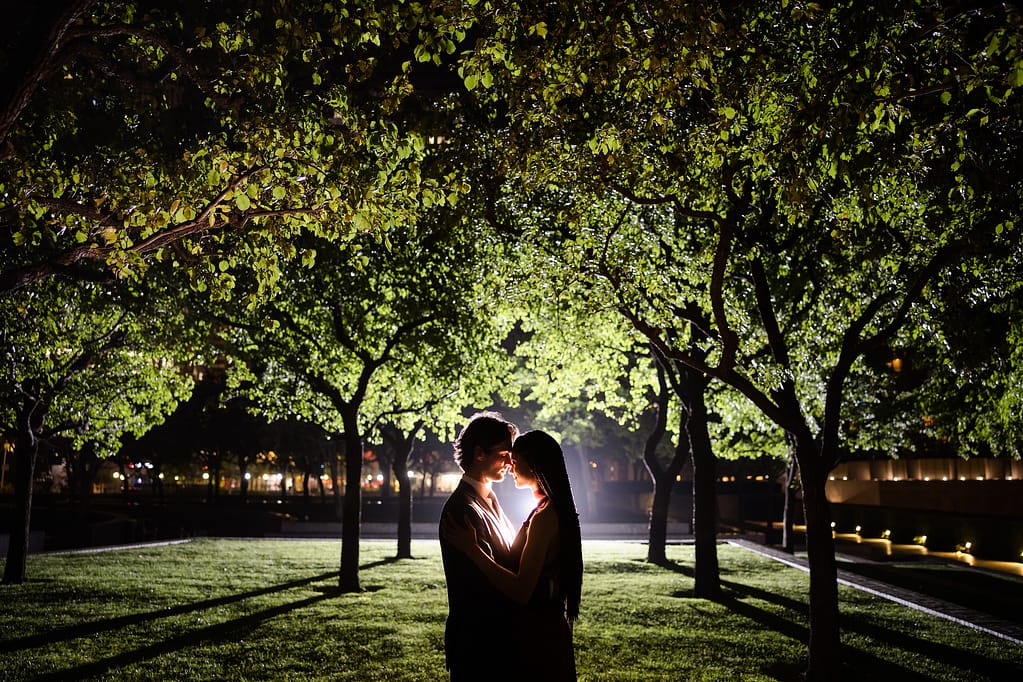
Bringing It All Together
Capturing stunning photographs, editing carefully, planning content strategically, posting consistently, and engaging your audience creates a cohesive and professional online presence.
By following this workflow—shooting photos or videos, refining them through editing, planning your social media approach, posting regularly, engaging your audience, and analysing performance—you ensure consistency, strong branding, and meaningful interaction.
Combining these practical steps with inspiration from your portfolio strengthens your visual identity across platforms. External guides and tools provide additional strategies to optimise your content and workflow, taking your photography and videos from creation to social media showcase that truly shines.
This comprehensive Social Media Guide Photography Strategy ensures every element—from composition to platform selection—works together to build a thriving, recognisable photography brand online.
Whether you’re a freelance photographer, small studio, or content creator, implementing this social media guide photography strategy will help you attract clients,
Ready to transform your photography business with a strategic social media presence?
Explore our portfolio to see these strategies in action, or contact us today to discuss how we can help you develop a compelling brand that converts followers into clients, grow your following, and establish a recognisable brand across all platforms.
The key is consistency—both in your visual style and posting schedule.
